
The 60-second barrier assessment
Your skin has been trying
to tell you something.
Four questions. One honest read on what is wearing your barrier down.
Discover the Tallow Difference
Takes about 60 seconds. No account, no card, no email.
★★★★★ 4.93 from 350 reviews
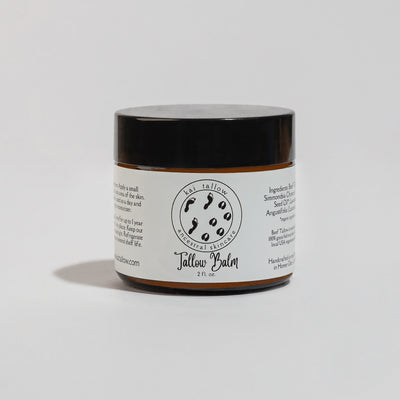
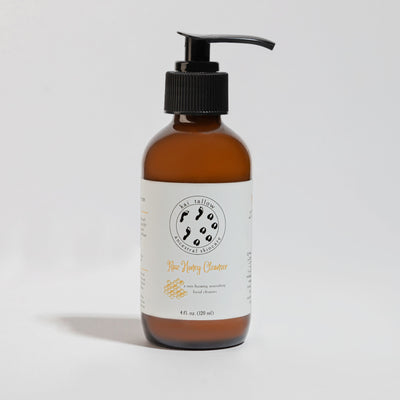
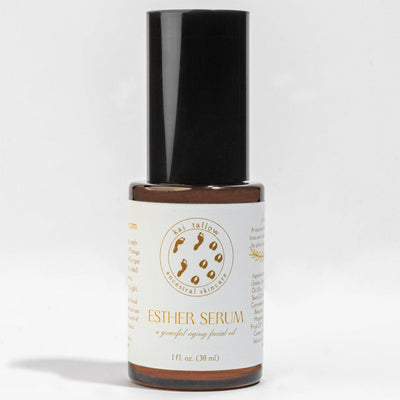
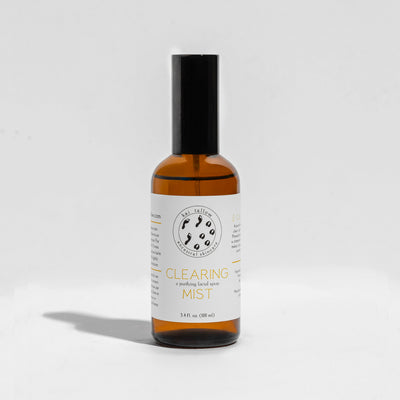
Not all tallow is the same
Grass-fed is the bare minimum.
| Kai Tallow | Ordinary bleached tallow | |
|---|---|---|
| Sourcing | Kidney fat, the clean fat from around the kidneys. Regenerative farms, grass-fed and grass-finished | “Grass-fed,” the one claim everyone makes. Never which fat, or where on the animal it came from |
| Rendering | Rendered by hand in house, in small batches, with nothing but heat | Outsourced and mass-rendered, often chemically bleached |
| What's actually in it | Third-party lab tested fatty acid profile, so you can see what is actually in the jar | Bleaching and deodorizing take the fatty acids out along with the smell |
| Scent | Clean and faintly sweet, because good kidney fat simply smells that way | A faint beefy odor, or no smell at all, which means it has been deodorized |
| Purity | Never rendered with water, so there is no moisture in the jar for mold to grow in | Rendered with water to wash the beefy smell out. Any water left behind is what gives mold something to grow in |
| On the skin | Absorbs readily, because its fats are close to the ones your skin already makes | Sits on top and takes its time, which is where the greasy reputation comes from |
Stearic, palmitic and oleic acid are the three that matter. They are what let tallow mirror the oil your own skin makes, and they are the first thing lost when tallow is bleached, deodorized or washed with water.
Why this assessment exists
Most skincare strips, clogs, and confuses your skin with ingredients it was never meant to absorb. Tallow is different: its fatty acid profile closely mirrors the oils your skin already makes. But the right routine depends entirely on what your barrier has been through. That's what these four questions find out.
No synthetic ingredients
Pure tallow and organic botanicals. You know exactly what's going on your skin.
Beyond organic tallow
From pasture-raised cattle living the way nature intended.
Small batch, handcrafted
Made by hand so quality is never rushed and corners are never cut.
Matched, not maximized
If two products will do it, we will not put five in front of you.
